

Every heating, ventilation, and air conditioning system makes some noise during normal operation. But, some sounds can signal problems that need attention. As a homeowner, it’s important to understand these noises to keep your system running well.
Some sounds are normal, but others can mean there’s a problem. This article will guide you on how to spot common HVAC issues. It will also help you fix them, so your home stays comfortable and your system works smoothly.
Knowing the causes of unusual noises is the first step to solving problems. It helps keep your system in top shape.
Understanding HVAC Noise Problems: Common Causes
Unusual noises from your HVAC system can be more than just annoying; they often signal underlying issues that need to be addressed. Troubleshooting these noises requires an understanding of their common causes.
Several factors contribute to HVAC noise problems, and identifying the root cause is key for effective resolution.
Mechanical Issues with Your System
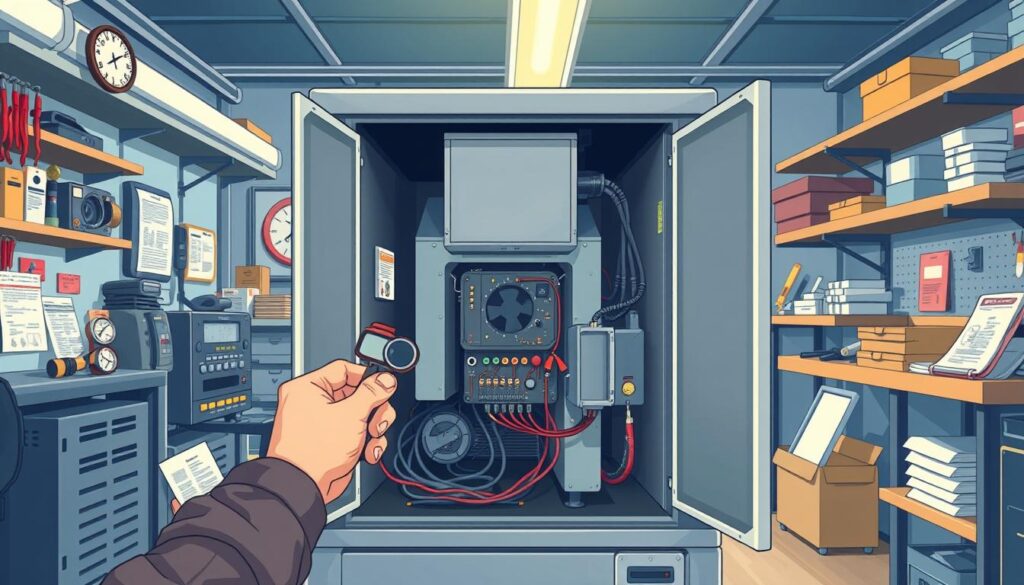
Mechanical problems are a primary cause of HVAC noise. Loose or broken parts can cause banging or clanking sounds, while electrical issues might result in buzzing or humming noises. Regular maintenance can help identify and fix these problems before they escalate.
For instance, a buzzing noise often points to electrical problems, such as a faulty contactor or capacitor. On the other hand, banging sounds may indicate loose or broken parts within the system.
Poor Insulation and Vibration
Poor insulation and vibration are other significant contributors to HVAC noise. Inadequate insulation around ductwork can lead to rattling or clattering sounds, if the ducts are loose or not properly secured.
Vibration, often caused by improper installation or worn-out mounts, can also generate considerable noise. Ensuring that the HVAC system is correctly installed and that mounts are in good condition can mitigate these issues.
Age of Your Unit
The age of your HVAC unit is another critical factor. Older units tend to be noisier due to wear and tear on the components. As parts age, they can become loose or worn, leading to various noises.
Upgrading to a newer, more efficient model can not only reduce noise but also improve overall system performance and energy efficiency.
Identifying Different Types of HVAC Noises
The sounds from your HVAC system can be more than annoying. They can also point to specific problems that need fixing. This ensures your system works well and efficiently.
HVAC systems make various noises, each with its own cause. Knowing these sounds helps diagnose and solve problems.
Rattling Sounds
Rattling sounds usually mean loose parts in the HVAC system. This could be because of worn-out or faulty parts that need fixing or replacing.
Hissing and Whistling Noises
Hissing or whistling sounds often point to airflow or refrigerant leaks. These sounds might mean ductwork problems or refrigerant level issues.
Banging and Thumping
Banging or thumping noises usually mean loose or broken parts. This could be loose belts, faulty motors, or other mechanical problems that need quick attention.
| Type of Noise | Potential Cause |
|---|---|
| Rattling | Loose parts or malfunctioning components |
| Hissing/Whistling | Airflow issues or refrigerant leaks |
| Banging/Thumping | Loose or broken mechanical components |
Knowing where the noise comes from is key to fixing it. Proper diagnosis helps quieting noisy HVAC systems and keeps them running smoothly.
By finding and fixing the noise’s source, homeowners can start how to fix noisy HVAC systems. This improves comfort and system efficiency.
Why Noise Levels Matter in Your Home
It’s important to know how HVAC noise affects your home. Too much noise from your heating, ventilation, and air conditioning can make your home less comfortable. It can even make your home less livable.
Impact on Comfort and Livability
Too much noise from your HVAC can ruin the peace in your home. Reducing HVAC noise makes your home a nicer place to be. Fixing the noise problems can make your home more comfortable for everyone.
Potential Indicators of System Malfunction
Strange noises from your HVAC might mean there’s a problem. Ignoring these noises could lead to bigger issues. By listening to your HVAC, you can catch problems early and fix them before they get worse.
Noise Regulations and Local Standards
Many places have rules about how loud HVAC systems can be. Knowing these rules helps you see if your system is too loud. Noisy HVAC solutions might be needed if your system is too loud. Following these rules helps avoid fines and keeps peace with your neighbors.
Understanding HVAC noise levels and fixing any problems makes your home better. It becomes more comfortable, livable, and follows local rules.
DIY Solutions to Minimize HVAC Noise
Homeowners can make their homes quieter by using simple fixes. By fixing common noise causes, you can make your living space more comfortable.
Securing Loose Components
Loose or vibrating parts are a big source of HVAC noise. Regularly check your system for loose parts. Tightening screws and bolts can greatly lower the noise.
Also, making sure all parts are tight stops vibrations. This helps reduce the overall noise.
Insulating Ductwork
Insulating ductwork is key to lessening HVAC noise. Materials like duct liner or duct wrap can line your ducts. This cuts down on noise from air flow.
Sealing duct leaks also helps. It stops noise from getting in or out of the ducts.
Lining Walls with Sound-Absorbing Materials
Using sound-absorbing materials on walls is another good way to cut down noise. Acoustic panels or soundproofing blankets can soak up noise. This stops it from echoing in your home.
By trying these DIY fixes, you can make your home quieter. Troubleshooting HVAC noises takes patience and some DIY skills. But, with the right steps, you can lessen the noise and feel more comfortable.
When to Call in the Professionals
Knowing when to call a professional for your HVAC noise problem can save you time and prevent damage. DIY solutions work for minor issues, but some signs mean you need an expert.
Signs You Need Expert Help
If your HVAC system makes persistent or unusual noises, it might be a complex issue. Grinding, screeching, or banging noises are not normal and need expert help.
Also, if DIY fixes didn’t work, the problem might be more complex than you thought. In such cases, getting help from a professional HVAC technician is wise.
Choosing the Right HVAC Technician
When hiring a professional, it’s important to choose a qualified and experienced technician. Look for those certified by organizations like NATE (North American Technician Excellence).
Checking reviews and asking for referrals can also help find a reliable technician. Make sure they have experience with your HVAC system brand and model.
Questions to Ask Before Hiring
Before hiring an HVAC technician, ask the right questions. Find out about their experience with similar issues, their diagnostic and fixing approach, and the repair cost.
Also, ask about their warranty and guarantee policies. A good technician should offer a warranty on their work, giving you peace of mind.
- What experience do you have with my HVAC system brand?
- Can you provide a detailed estimate of the HVAC repair costs?
- Do you offer a warranty on your work?
Preventative Measures for Quiet Operation
Homeowners can take steps to prevent HVAC noise problems. Keeping your HVAC system quiet is important for a comfortable home.
Regular Maintenance and Tune-Ups
Regular maintenance is essential to avoid HVAC noise. This includes cleaning filters and checking for loose parts. Regular tune-ups can spot problems early, reducing noise risks.
It’s wise to schedule maintenance twice a year. This is best in spring and fall to prepare for summer and winter.
Upgrading to Quieter Units
If your HVAC is old, it might be time for a new, quieter model. Modern systems are more efficient and quieter. Look for models with noise-reducing features.
Upgrading not only cuts down on noise but also boosts your system’s efficiency. This could lower your energy bills.
Best Practices for System Installation
The way your HVAC system is installed affects its noise level. Proper HVAC installation ensures balance and reduces vibrations and noises.
It’s vital to hire a professional for the installation. They should have experience and follow the manufacturer’s instructions.
- Ensure the HVAC installer is certified and has a good reputation.
- Check that the installation is done according to the manufacturer’s guidelines.
- Verify that the system is properly balanced to prevent unnecessary noise.
Conclusion: Enjoy a Quieter Home Environment
Fixing HVAC noise problems can make your home much more comfortable. Knowing why these noises happen and using the right solutions can make your home quieter.
Key Takeaways for a Quieter HVAC System
Let’s review the main solutions. Securing loose parts, insulating ducts, and using sound-absorbing materials are great ways to reduce noise. Also, regular maintenance and tune-ups help prevent noise problems.
Taking Action for a Quieter Home
Homeowners should tackle their HVAC noise issues head-on. Find out where the noise is coming from and fix it. Whether it’s a DIY job or needs a pro, acting on it will make your home quieter and more comfortable.
Importance of Ongoing Care
Keeping your HVAC system well-maintained is key. Regular care ensures it runs smoothly and quietly. This way, you avoid noise problems and keep your home comfortable.


