HVAC Maintenance Tips for Homeowners
If you’re like most homeowners, you probably don’t think much about your HVAC system until there’s a problem. But regular maintenance can help keep your system running smoothly and prevent costly repairs down the road. Here are a few tips to help you stay on top of your HVAC maintenance.
HVAC Maintenance Tips for Homeowners
You can perform some basic HVAC maintenance tasks yourself, such as replacing air filters, cleaning your unit’s coils and more. But, more involved tasks should be left to the professionals. Here are four maintenance tips for homeowners with HVAC systems:
1. Replace your air filter regularly. This is one of the easiest and most important things you can do to maintain your HVAC system. Depending on the type of filter you have, you should replace it every one to three months.
2. Clean your unit’s coils. The coils in your indoor and outdoor units can become dirty over time, which can reduce efficiency and lead to higher energy bills. To clean the coils, simply remove them and use a soft brush or vacuum attachment to remove any dirt or debris.
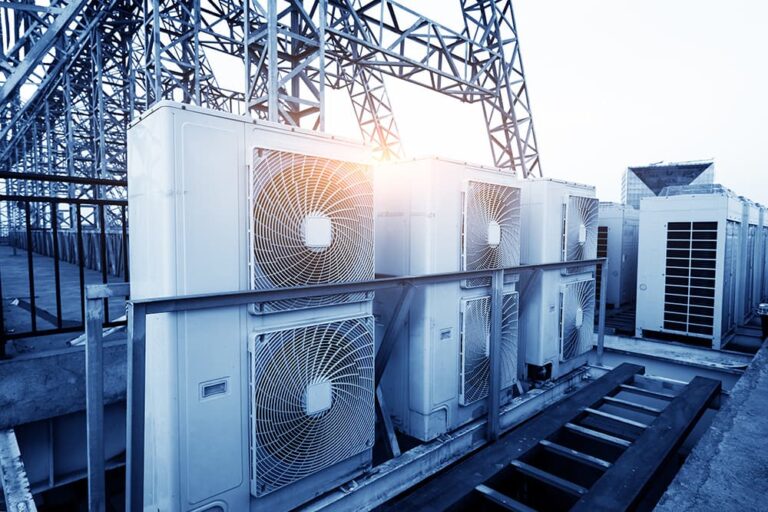
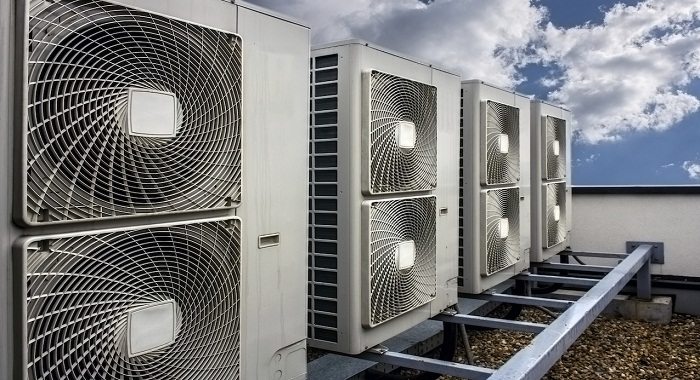
3. Keep your outdoor unit free of debris. Your outdoor unit should be kept free of leaves, grass clippings and other debris that could impede airflow. You can use a garden hose to remove any build-up from the unit’s fins.
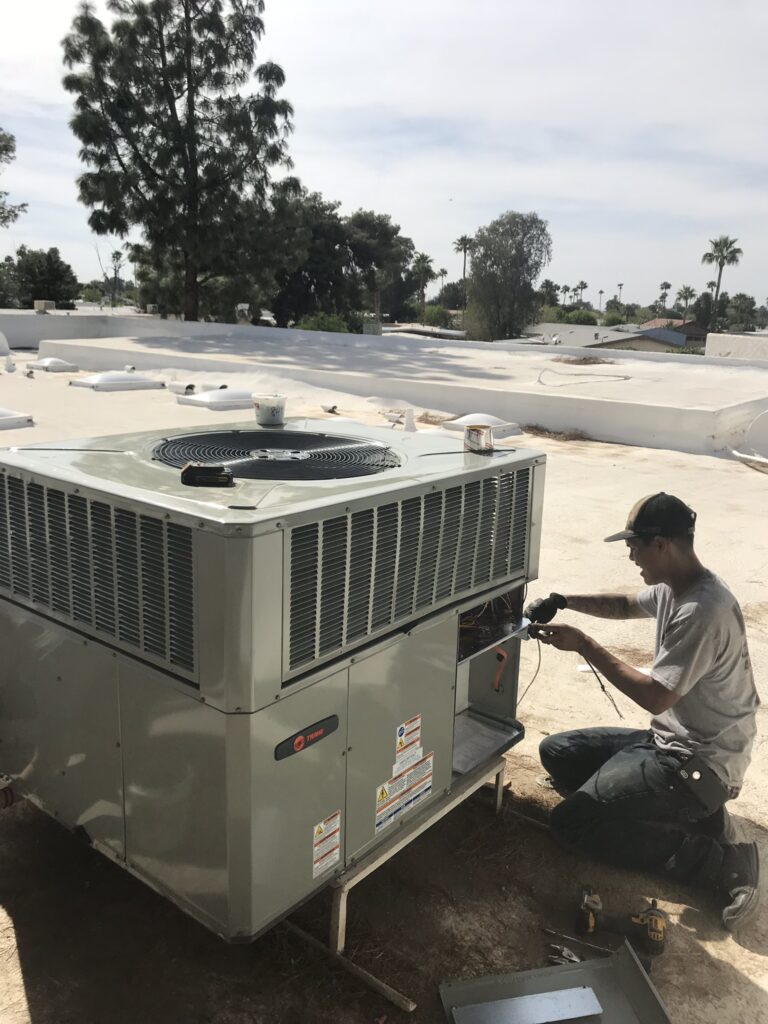
4. Schedule annual professional maintenance. In addition to the tasks you can perform yourself, it’s important to have a professional HVAC technician inspect and service your system annually. This maintenance check will help ensure that your system is running efficiently and that there are no potential problems that could result in costly repairs down the road.
The Benefits of Regular HVAC Maintenance
A properly maintained heating, ventilation and air conditioning (HVAC) system will last longer, perform more efficiently and cost less to operate than one that has been neglected. By signing up for a regular maintenance program, you can ensure that your HVAC system is always operating at peak performance. In addition, you’ll enjoy a number of other benefits, including:
-Reduced energy costs: Regular maintenance can help your system run more efficiently, which can lead to lower energy bills.
-Improved comfort: If your system is properly maintained, it will keep your home comfortable year-round.
-Float switch testing and replacement: A float switch is a safety device that turns off the power to your HVAC system if the water level in the condensate pan gets too low. Over time, float switches can fail. By testing and replacing float switches on a regular basis, you can avoid messy flooding and costly repairs.
-Cleaner air: Regular maintenance helps remove dust and dirt from your HVAC system’s components, which means you’ll be breathing cleaner air.
-Longer equipment life: With proper maintenance, your HVAC system will last longer.
The Importance of a Professional HVAC Maintenance Check
Your home’s heating, ventilation, and air conditioning (HVAC) system is one of the most important systems in your home, and one that you rely on every day. That’s why it’s so important to have a professional HVAC maintenance check at least once a year.
During a professional HVAC maintenance check, a technician will inspect your entire system, including the furnace, air conditioner, ductwork, and vents. They will clean all of the components of your system and make any necessary repairs. This preventative maintenance can help extend the life of your HVAC system and prevent expensive repairs down the road.
Not only that, but a professional HVAC maintenance check can also improve the efficiency of your system. This means that your system will use less energy to heat and cool your home, which can save you money on your energy bills.
If you haven’t had a professional HVAC maintenance check in awhile, or if you’ve never had one at all, now is the time to schedule one. Contact a reputable HVAC company in your area to get started.
Tips for Maintaining Your HVAC System
Your HVAC system is one of the most important pieces of equipment in your home, so it’s important to keep it running smoothly. Regular maintenance will prolong the life of your system and keep it running efficiently, which can save you money on your energy bills.
Here are some tips for maintaining your HVAC system:
-Change your air filter regularly. A clogged air filter can cause your system to work harder, which uses more energy and can shorten the life of your equipment.
-Keep the area around your outdoor unit clear of debris. This will help ensure proper airflow and prevent your system from overworking.
-Have your system serviced by a professional every year. This will help identify any potential problems before they become major repairs.
How to Clean Your HVAC System
Your HVAC system is one of the hardest working systems in your home, and it’s important to keep it clean and well-maintained to ensure it continues to work efficiently. A clean HVAC system will not only save you money on your energy bills, but it will also prolong the life of your system.
There are a few things you can do to clean your HVAC system, but it’s important to leave the major maintenance to a professional. You should have your HVAC system serviced by a professional at least once a year, and more often if you have pets or live in an area with a lot of dust or pollen.
In between professional service appointments, there are a few things you can do to keep your HVAC system clean. First, change your air filter regularly. Depending on the type of filter you have, you may need to change it monthly or every few months. Second, vacuum the registers and vents in your home to remove any dust that has accumulated. Third, wipe down any visible surfaces of your HVAC unit with a soft cloth.
By following these simple tips, you can help keep your HVAC system clean and running smoothly for years to come!
How to Change Your HVAC Filters
One of the simplest and most important things homeowners can do to maintain their HVAC systems is to regularly replace or clean their filters. A fresh filter ensures that your system is running efficiently and prevents dust and other airborne particles from affecting the quality of your indoor air. Here’s how to change your HVAC filters:
1. Locate your HVAC system’s filter. This is typically located behind the return air grille, which is usually located on a wall or ceiling in the vicinity of your furnace or air conditioner.
2. Remove the old filter and dispose of it properly. Be sure to check your manufacturer’s instructions for the proper disposal method of your particular type of filter.
3. Install the new filter according to the manufacturer’s instructions. Be sure to insert it in the correct direction so that air flows through the filter correctly.
4. Close up the return air grille and enjoy improved indoor air quality!
How to Check Your HVAC System’s Refrigerant Levels
Refrigerant is a vital part of your HVAC system, and it’s important to check the levels regularly to ensure that your system is running efficiently. Here are some tips on how to check your HVAC system’s refrigerant levels:
1. Check the manufacturer’s guidelines. First, consult your HVAC system’s manufacturer to find out what kind of refrigerant it uses and how often you should check the levels.
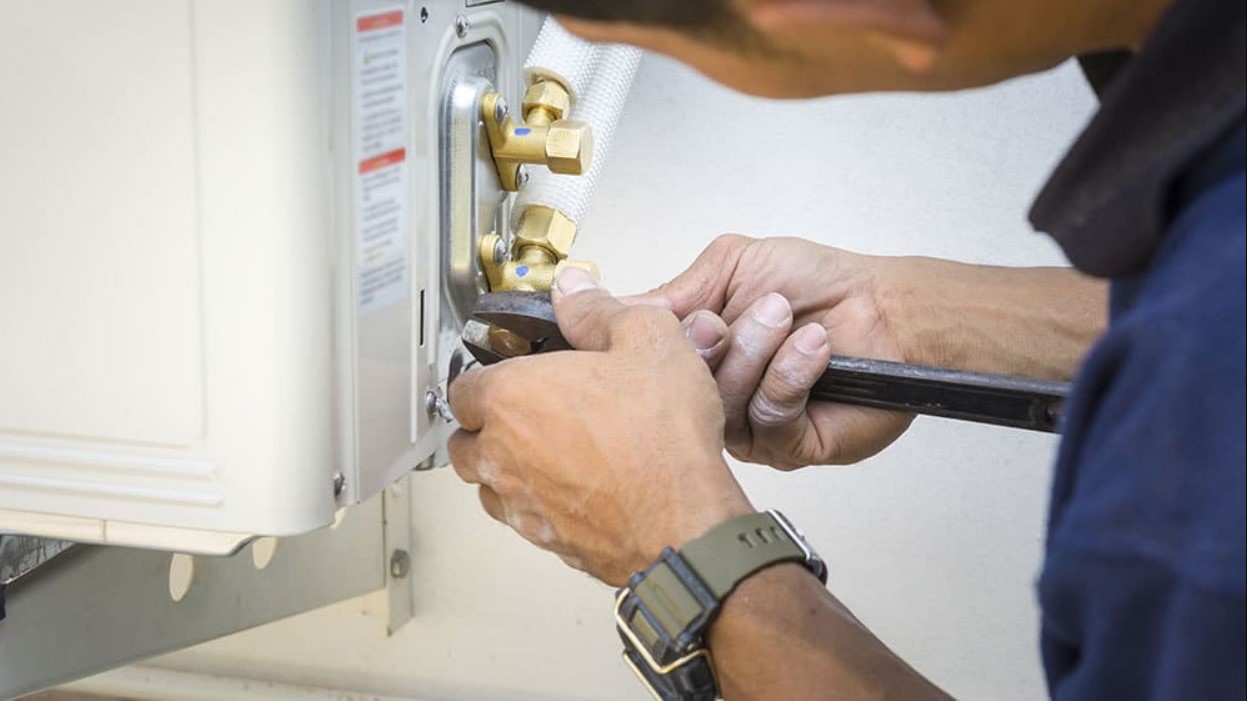
2. Locate the low-pressure service port. Once you know what kind of refrigerant your system uses, you can locate the low-pressure service port (usually located on the larger of the two pipes leading into the evaporator coil).
3. Attach a refrigerant charging kit to the service port. Follow the instructions that come with your kit to attach it properly to the service port.
4. Turn on the charging kit and check the pressure gauge. Once the charging kit is turned on, check the pressure gauge to see what level of pressure is currently in your system. If it’s below the manufacturer’s recommended level, you’ll need to add more refrigerant.
5. Add refrigerant as needed. Use the charging kit to add refrigerant until it reaches the recommended level. Then, turn off the charging kit and detach it from the service port.
How to Test Your HVAC System’s Thermostat
One of the most important components of your HVAC system is the thermostat. This device regulates the temperature in your home by turning the heating and cooling systems on and off as needed. If your thermostat isn’t working properly, it can cause a number of issues, including making your HVAC system run more frequently than necessary and making it difficult to maintain a comfortable temperature in your home.
There are a few different ways that you can test your thermostat to make sure that it is working properly. One way is to simply visually inspect the thermostat to make sure that all of the connections are tight and that there is no visible damage. You should also check the batteries to make sure that they are properly installed and that they are not dead. Another way to test your thermostat is to set it to a temperature that is different from the current room temperature and see how long it takes for the HVAC system to kick on. If it takes longer than a few minutes, or if the system never turns on, then there may be an issue with your thermostat.
If you think that there may be an issue with your thermostat, it’s important to have it checked out by a professional as soon as possible. A qualified HVAC technician will be able to diagnose any problems and make any necessary repairs.
How to Inspect Your HVAC System’s Ductwork
Ductwork is an important part of your HVAC system. It is responsible for moving air from your furnace or air conditioner to the different rooms in your home. Over time, ductwork can become damaged or worn, which can lead to poor indoor air quality and higher energy bills. That’s why it’s important to inspect your ductwork regularly and, if necessary, have it cleaned or repaired.
Here are some tips on how to inspect your HVAC system’s ductwork:
1. Visually inspect your ductwork for signs of damage, such as holes, cracks, or loose connections.
2. If you have a flexible duct system, make sure that the flex joints are not kinked or torn.
3. If you have a metal duct system, check for rust or corrosion.
4. Check the insulation on your ductwork to make sure it is in good condition and not deteriorating.
5. Inspect the registers and grilles in each room to make sure they are not blocked by furniture or other objects.
HVAC Maintenance Tips for Homeowners: FAQs
An HVAC system is a big investment, so it’s important to do everything you can to keep it running smoothly. Regular maintenance is the key to prolonging the life of your system and avoiding expensive repairs.
Here are some frequently asked questions about HVAC maintenance:
1. How often should I have my HVAC system serviced?
It’s generally recommended that you have your system serviced once a year, in the spring or fall. However, if you live in an area with extreme temperatures, you may want to consider having your system serviced more often.
2. What kind of maintenance does my HVAC system need?
Your HVAC system will need both regular cleaning and occasional repairs. Regular cleaning includes tasks like changing air filters and cleaning coils. Occasional repairs may be necessary if parts of your system break down or become worn out over time.
3. How much does HVAC maintenance cost?
The cost of HVAC maintenance will vary depending on the type of service you need and the company you hire to do the work. However, it’s generally affordable to have your HVAC system serviced once a year. repair costs can vary widely, so it’s important to get a few estimates before hiring a contractor.
4. Can I do any of the maintenance myself?
Some tasks, like changing air filters, are easy enough for homeowners to do on their own. However, more complex tasks, like repairing coils, should be left to trained professionals. When in doubt, it’s always best to hire a professional for HVAC maintenance and repairs